What happens when your doctor dismisses your symptoms, only for you to discover you have advanced cancer? In this powerful episode of Before Our Visit Ends, our guest Lee shares their deeply personal stage four colon cancer diagnosis story, a journey that began with vague symptoms in their 40s being brushed off as "general constipation" and led to a life-altering moment of waking up from a colonoscopy to the words, "You have cancer." This is a story about navigating shock, fear, and a medical system that doesn't always listen, ultimately finding the strength to become your own best advocate.
Lee walks us through the entire whirlwind experience, from the initial misdiagnosis and the critical decision to get a second opinion, to the colonoscopy diagnosis shock and being thrust onto a "roller coaster" of rapid scans, tests, and major surgery just weeks after diagnosis. This episode provides an invaluable look at the realities of a modern cancer battle. Lee details the crucial cancer support systems that made all the difference, from a life-saving nurse navigator who provided a list of questions to ask oncologists, to invaluable peer groups like COLONTOWN. We dive deep into the specific challenges of treatment, including a comprehensive breakdown of the FOLFOX chemotherapy side effects like chemo-induced neuropathy and debilitating nausea. Most importantly, Lee shares a vital message on the power of colon cancer patient advocacy, recounting how they went from feeling like they would rather die than face another chemo round to completely transforming their quality of life by pushing past dismissive doctors to find a palliative care specialist who truly listened. This is a must-watch for anyone facing a health crisis, their loved ones, and medical professionals alike, offering a raw and honest look into a stage four colon cancer diagnosis story filled with resilience, hope, and actionable advice.
About Our Guest:
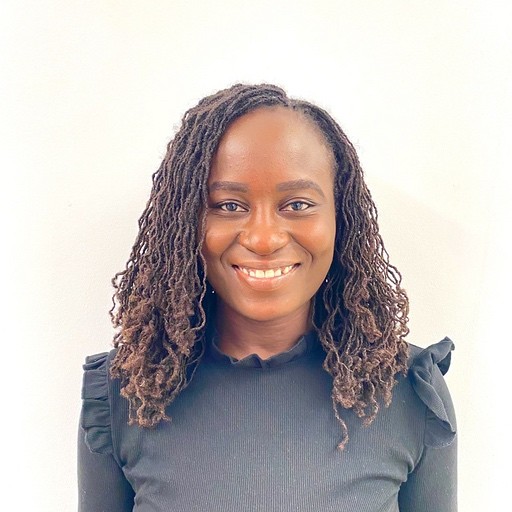
Lee is a 45-year-old Director of Operations who was unexpectedly diagnosed with Stage 4 Colorectal Cancer. Throughout their treatment, they discovered the critical importance of self-advocacy and the power of community.
Episode Resources:
Introduction
Eunice: Hi, I'm Eunice. Welcome to Before Our Visit Ends, a space where we take a moment to get to know the whole person beyond their cancer diagnosis. Along the way, we'll gain meaningful insights on living a life that is not defined by cancer. These stories are sometimes heavy, sometimes unexpectedly liked, but always honest.
During this podcast, my guests and I will be sharing personal experiences and discussing medical information. That said, the information we share is based on our own lived experiences, perspectives, and personal understanding. This podcast is not intended to replace medical advice. Please consult your own healthcare provider or licensed practitioner with any questions or concerns about your diagnosis or care. Before our visit ends, it's not responsible for any outcomes related to information shared in this podcast. Each episode is shared with the hope that someone listening might feel seen, better understood, or more informed. And with that, let's begin today's episode. Hi, Lee. Welcome.
Lee: Thank you. I'm so delighted to be here. Thanks for having me.
Eunice: Of course. Can you tell us, I always ask everyone when I start, about yourself, your background, things that make you happy right now, and what you're up to these days?
Lee: Sure. So I'm Lee. I'm 45 years old, relatively young, I think, in the grand scheme of people diagnosed with cancer. I work in the non-profit sector. I'm a director of operations for a small non-profit in the Bay Area.
And outside of my work, the things that bring me joy are similar to my work in operations. I like playing strategic board games. I like video games that require me to think more along the same lines of strategy. I love good books and also Lego sets and crafting and art. I have a variety of things that bring me joy. For my birthday, I got a piano and that has been bringing me a lot of joy as well, getting to play again, which I haven't gotten to do in a number of years.
From Vague Symptoms and Misdiagnosis to a Call for a Colonoscopy
Eunice: So I wanted to get into your diagnosis a little bit. Can you tell us about what prompted you to get tested? Were you having any symptoms of colon cancer? And if you were having symptoms, when did it start?
Lee: I wouldn't say I had any symptoms that made me think, oh, my gosh, something is really wrong. I just noticed and obviously colon cancer, heads up, there is talking about digestive stuff. I always give people that disclaimer. I did notice something different in the way my bowel movements were. But I was just like, I'm in my 40s now. I'm getting older. It's probably just normal to just have things be changing about how my body works and how things move through my digestive tract. And I was seeing a primary care physician at the time.
I told her about this change in how my body was working. She kind of brushed it off. And she was like, sounds like you just have some general constipation. Here's some medication to help with the constipation. Because you don't have a colonoscopy. Those are no fun. Which, when I look back, I'm like, that was a really bad call on her part. Because what I needed was absolutely a colonoscopy. And for her to just be like, here's some pills to basically give you diarrhea, to help move things through.
The pills didn't help but things didn't necessarily get worse. There was also blood in my stools but when I would google my symptoms it was like oh if it's dark and tarry that's a sign of cancer but mine was very bright red and so I was like oh maybe I just have a hemorrhoid that's overactive and I was like I'm in my 40s that's probably normal. Again I was just kind of no big deal. I didn't have pain, I didn't have discomfort and so I just thought everything was fine because my doctor didn't seem to think there was a concern.
Fast forward a year and a half later, when I had moved to the next town over, I had a new job. I had different health insurance. I got a different primary care physician. And I told her about this situation. And she was like, let's get you in for a colonoscopy. Her first thing was, let's do that. And I was like, OK.
The Shock of a Stage Four Colon Cancer Diagnosis
Lee: So I went in for the colonoscopy. And I wasn't really concerned. I was mildly concerned. But I was like, again, they're going to tell me I have hemorrhoids and maybe something needs to be done or there's different medication I need to take. I didn't think it was going to be a big deal. So when I woke up from my colonoscopy and the doctor was like, so you have a tumor in your colon and you have stage four colon cancer, colorectal cancer. Now there's a whole bunch of stuff you have to do. I was just like, wait, what?
Eunice: They told you as soon as you woke up from the colonoscopy what they saw.
Lee: Yeah, the friend who had given me a ride, they didn't even be like, hey, we have some updates we want to give you. Should we call your friend back? Nothing. They just were like, oh, good morning. You have cancer. It was really abrupt. If I have feedback, that's not how I would have done it if it were up to me. It was very abrupt. So yeah, very much a surprise, not what I was expecting.
Eunice: That is actually very shocking, because you go in for a colonoscopy, maybe the idea could have been, we have some labs to look at, we have some things that we want to look at, and then we'll get back to you. So after they told you this news, was it sort of like, this is what we need to do next? Or did they give you a chance to go home and think about what the treatment options were going to look like? How was that conversation? Did you even absorb the information they were telling you?
Lee: I remember just, it felt like I was just in a haze. At that point, I was just like, what does this mean? I haven't had anybody close to me in my life that had cancer. I didn't have any close family members who had had cancer. Cancer is not something in my family history that is very big. A lot of extended family and very few instances of any kind of cancer, let alone colon cancer. And so, I just was like, I don't even know what this means. I don't know how this is going to impact me. And I was terrified and overwhelmed.
There was this one really wonderful nurse who was there at my colonoscopy who was present when the doctor told me that I had cancer and then he left the room and I was just sitting there crying. And she turned to me and she was like, here's my phone number. Here's my cell phone number. I'm a survivor of breast cancer. And I understand you're probably completely overwhelmed and have no idea what to do but she's like you're not alone and just text me anytime if you have questions if you don't know what to do if you don't know who to ask for help, please text or call me.
And I was just like in that moment I was like, okay, I'm not alone. And that gave me just the tiniest glimpse of hope. I think I'm going to be, I don't know, maybe I'm going to be okay. But just knowing somebody else understood where I was at in that moment made a world of difference.
The Post-Diagnosis Roller Coaster: A Fast-Track to Surgery and Treatment
Eunice: It's beautiful to have somebody that says, I know what you're going through. And also at that moment, it's like, what's going to happen to me? And for them to say, okay, I'm standing right here. I'm working. You're going to go through this and you're going to be fine. So after you got the diagnosis, how did things move from there? What were the plans that you were given for treatment? When did you need to come back in? When did you need to have surgery? How, when did you need to start chemo? Who do you go to from here? The surgeon, the oncologist, where do you start? Where did you start?
Lee: It was really interesting. And I found cancer support groups through my hospital network and they have been incredibly helpful. And what I shared repeatedly and I've shared now with new people joining the group too, was I really felt like when I woke up from my colonoscopy and was told you have cancer, I felt like in that moment, I woke up strapped into a roller coaster that was already moving. I didn't have a choice to get on this roller coaster and I didn't have a choice to get off of it. It was already in action and now I was just on the ride and I just had to ride it out.
And it really felt that way. There wasn't a choice. I had cancer. I couldn't choose not cancer. I was on the roller coaster already and it was very fast moving. March 4th was the day I had my colonoscopy. Within I think a week they had me in for a series of scans. I had a CT scan. I think a week or two later I had a PET scan. A number of labs, blood work done to just confirm everything. So that was how they determined it was stage four because they found mets on my liver.
And so they knew a number of my lymph nodes would be impacted. And the tumor in my colon was large enough that they were like, we need to do surgery as soon as possible, because if we wait much longer, it's going to completely block your colon and then we're going to have much bigger problems. And so fortuitously, the two surgeons, the liver surgeon and the colon surgeon, each were like, well, I'm ready to do surgery on this part of your body because everything looks great. I think I'll be able to go in and remove all of the cancerous tissue with good margins. But I'm just concerned what the other surgeon will say. They both said that about the other one. And I was like, both of you say the other one's got the hard job. So I think we're good.
And so from March 5th and all of the labs and tests and everything, they had me in for surgery March, I think, 27th or 28th. It was just three, four weeks later that I had surgery. And surgery was incredibly successful. Both of my surgeons were very happy with the results. They got everything out very cleanly, very well. And then it was, I think I had five and a half to six weeks of recovery time after surgery before chemotherapy started.
Finding the Right Resources: A Nurse Navigator's Guide to Asking Questions
Eunice: I just want to go back a little bit to being on a roller coaster that you're already on that you can't get off of because you have cancer, you have to get treatment. In the process of the roller coaster of knowing that you had to get treatment and yours moved so fast, so in three weeks, you were already having surgery. Did you feel like you got a chance to ask the questions that you maybe wanted answered? Or for this stage, it was more so this is what the treatment is. This is what I'm going with. Because for some people, they might maybe have questions of should I get chemo first and then get surgery? What is the impact of having surgery going to be on me after surgery? Did you get a chance to ask any of those questions and did you feel like your questions weren't answered?
Lee: Yeah so I'm one of those people where I was like if I try to take in all of the information I'm going to be so overwhelmed and stressed out. I won't be able to handle it. And so I was like I had to, no searching on the web, no reading other people's blogs, no getting into forums and asking other people who had stage four colon cancer.
I had one friend who connected me with a friend whose husband had stage four colon cancer, but his was way more advanced than mine. He needed a full liver transplant. Just hearing his story, I was like, this is going to be horrible. I might die. My experience through hearing his just made me actually more terrified about the outcome of where I was headed and the experience of what I was have to go through. And so I just realized, I think I need to reel back because everybody's experience is different. And for me, too much information, more information was actually making me more scared about what was to come and what I needed to do.
At the hospital I was a part of at the start of this, there was a nurse navigator who just had been there since the 80s. She's been through so much of experience of the process and how much has changed in cancer treatment over the years, over the decades. And she's just an avid looker out for all of us who are patients going through treatments. And she really showed up and provided me with just a tremendous amount of resources, but not scary ones, just helpful.
Here's the next steps. And part of her packet of information was questions to ask your oncologist, questions to ask your surgeon, questions to ask, something to do around chemotherapy maybe or something like that. So there was three different sets of questions of what to ask each group of people or each specific doctor about different things. And so I was able to just take that instead of trying to do my own research and figure out what do I need to ask, I could just take that list of questions and I highlighted these are the ones I feel like I need to know the answers to before I leave that meeting with that doctor. And so I found that incredibly helpful just having that as a resource. I'm happy to, I could probably find that document and share it with you if that would be something that would be helpful.
Building a Multifaceted Cancer Support System
Eunice: Yeah, I think that actually would be really helpful to share. We can add it on the site about what questions to ask. It sounds like the nurse navigators have been really great resources. The nurses have been great resources. The physicians have been great resources. Are there other resources beyond even within the hospital system that you have found to be helpful? One of the things that I have been inspired by is your YouTube channel about documenting what you've been going through.
Lee: For starters, I decided to start a YouTube channel. And the first thought was, OK, I have a lot of extended family. I have a lot of friends. I have friends across the country, around the globe. There's no way I'm going to be able to get on phone calls and update everything and send text messages and send emails and update all of these people every time something changes. Okay, now I have surgery and I had this scan and now this is the result. And now I have chemo and here's how I'm feeling. And I was just so exhausted. I can't, I'm not even sure what I need right now or how I feel.
Starting this YouTube channel was just an easy way. I could just send out one video update to all of my friends and family. And it has kind of morphed and shifted because not only am I sending out, here's an update on how I'm doing physically and how my treatment is going, but it's kind of turned into this deeper what the universe is teaching me as I'm going through this and what lessons I'm learning and what I'm learning about myself and how I'm growing despite this horrible thing that I'm having to deal with in my body and deal with overcoming with cancer. So I've just got this channel navigating cancer and that shift to sharing what I'm learning and growing to me has also given me hope because I feel like I'm not going through this and just surviving for myself, but also I'm able to share what I'm going through in a way that could potentially help other people.
And already, I've heard feedback already from people who have been helped by it. They're going through maybe not cancer, but any health struggle. And they're able to gain some level of hope or some level of inspiration. And that feeling of I'm not alone, Lee's going through something hard. I can go through something hard. And people have reached out to me and we've had good conversations around how hard things can also be beautiful things that we can grow through them. And so it's been an inspiration back to me by inspiring others.
Some other things that have been really helpful to me, I mentioned earlier cancer support groups. Through my hospital, again, the nurse navigator told me about these groups. There's a couple of different groups, one that's more medical care focus, like what kind of side effects are you having? What kind of struggles are you running into? Where do you need support? In that group, you can call in and just talk about what's not working or how sick you're feeling or what side effects you're having. And the nurses on that call are like, have you tried this? Have you talked to your doctor about that? Let me make some calls on your behalf and see if we can connect you with the right with a palliative care doctor or a yoga instructor or a massage therapist or whatever it is that might help. They'll connect you with if you're having trouble covering your medical bills they'll connect you with a social worker. So that's a really great in real time support.
And then there's another support call that's more like a therapist is running the call so just how are you feeling about what you're going through and do you have the support you need and do you just need to cry right now because we're all here in this group and we all understand what you're going through because we're all in it and so you can just cry and we'll hold space for you while you cry. So just having those kind of spaces. Because again, I didn't realize until I got this diagnosis that I was like, I have no idea what it's like to go through cancer. I don't know what this takes. I don't know what this experience is going to be like. And then I realized as I reached out to friends and family that haven't experienced cancer, they also didn't. They were like, I don't know how to support you. I don't know what you're going through. And so connecting with other people who have gone through it and who are going through it, they get it. They understand. They understand on a deep personal level. Again, it creates that space of not feeling alone.
For people with colon cancer, there's an entire huge global online community called COLONTOWN. They have forums. So you can go on there and you can post questions. You can read other people's share stuff, of food related things, just health related things. You just need to vent about what your experience is. If you're in a particular location, there are location-based groups. You can ask about specific surgeons and specific oncologists and ask for recommendations. So also a great resource for people specifically with colon cancer.
How to Support a Loved One With Cancer: Practical Help From Near and Far
Eunice: For people that want to be able to support someone going through cancer, what are ways that you have found to be helpful? If that's meals or just hanging out with you or calling you that you have found to be impactful?
Lee: Yeah, there have been a handful of people who just really showed up. There've been a lot of people that have showed up in a lot of different ways, but I was surprised, for example, that I had another friend, Brooke, who hasn't and doesn't live anywhere near me. Brooke, at closest lived on the other side of the state, now lives on the other side of the country, I believe, from where I am. And still, they were like, I want to support you. What can I do? And I was like, well, actually, I could use a GoFundMe because I now have all these medical bills. And they're overwhelming. And I could really use the support. And Brooke was like, I'm on it. I will build you a GoFundMe page. What do you want on it? How much do you want to be a part of it? How much do you want me to just do myself? And I was like, how about you just do whatever and send it to me for review? That's as much as I can handle. And Brooke just took it and ran with it.
I had another friend, Elliot, who in similar fashion lived in LA and I'm up here in the Bay Area. And they were like, I want to support you, but I'm far away. What can I do? And they did a review of five different apps and then found the best app for creating an online support community where people could sign up to give me rides to chemo treatments. People could sign up to bring me meals. People could sign up to come clean my house or take care of my cats and clean the litter boxes when I was too sick to do it myself.
And the app is a great app. Actually, it's called Lotsa Helping Hands. It's a free app and you build out the little account and then people can just sign up to join your care team and you add anything in there you want support with and people just sort of click a button to volunteer and it's super streamlined, super easy to use and that was an incredible help. So people showing up even who didn't live anywhere near me who were just like let me help build something that will support you from afar.
A lot of friends who were the people who were like let me do that ride to chemo. Let me come over and cook you a meal. I had one friend, Sherry, who by first round of chemo, she basically just moved into my apartment with me at the time. And I was so sick for that first round because I was like, I have no idea how this is going to go. I don't know how bad it's going to be. I have no idea what to expect. And there were a few days where I was so sick. I couldn't eat. I couldn't drink. I couldn't function. I just wanted to be unconscious. I couldn't even speak. I couldn't even advocate to say what I needed. She would just look at me and be like can I bring you food? And I would just look at her sadly. The words in my head are there and I can't even speak what I need but she just held the space for me and was like, if I pointed at something, she was on it, she just was there, so I didn't have to be alone through that really dark, scary unknown.
A Detailed Look at the FOLFOX Chemotherapy Regimen and Its Side Effects
Eunice: I am inspired by your friends and the support that you've gotten. And I'm also happy that you are in a really great living situation now. You seem really happy. How is chemo now for you? I know you described the beginning of it. But how is it? How are you doing now?
Lee: Just to touch on the chemo side of things. So I think the standard treatment, at least from my understanding, that's typically assigned for a standard case of colorectal cancer is a chemotherapy treatment called FOLFOX. And it's three different types of chemotherapy drugs. So what that looks like is, for me, I think for FOLFOX, this typical is it's a two-week treatment. Each cycle is two weeks long. I go in and I get the first two of the three chemotherapies in an infusion that lasts two to three hours, plus a couple of other things like the anti-nausea meds and some fluids. So I'm in the chair for five to six hours on that first day.
And then they leave me. I have a port in my chest, which I talk about in one of my YouTube videos. So if people want to know what that looks like and what that experience was like, I talk about that so that they don't have to put the IV through my arms and hurt all my veins. Once I'm done with the main infusion, then they plug in this little pump that has the last form of chemotherapy in it. And I take that home in a little pouch, a little fanny pack. I call it my chemo tea and I slow steep for the next 48 hours. Just wear that pouch around my waist and get the rest of the chemotherapy. And then I go back in two days later and then they take that pump off and give me some more fluids and some more anti-nausea meds. And then they disconnect me from my port and send me home for the next two weeks. And then I go back in for the next cycle.
The experience tends to be those first three days when you're in getting the chemotherapy done, you feel kind of crummy. If your anti-nausea meds are working, you're just kind of in it, getting the drugs and processing. But then once you're off of that day three and you finish what they call pump down when they take that last infusion pump off, days four and five were what I called the dark days. They were the hardest. They were when I felt the worst, when I couldn't eat.
The side effects from particularly the oxaliplatin, one of the three chemotherapy drugs, that one is the hardest one. COLONTOWN, again, they have COLONTOWN University, they have their own little website that teaches you about all the side effects and ways you can kind of help counterbalance those side effects and things you can talk to your doctor about to help with that. But some of the more predominant side effects, aside from just nausea and feeling really crummy and having a lot of exhaustion and needing to sleep a lot more, the ones that I found most interesting were, and I still have, the biggest ones I have are the neuropathy, just tingling and weird sensation in my fingertips, but also in my mouth, my tongue and the roof of my mouth and my gums always feel a little bit like I burnt them with scalding water. And also there's just a nine volt battery touching somewhere. And so everything's just kind of tingling with a slight electrical charge. It's a weird sensation that I've just accepted as a part of my normal life until I'm done with chemotherapy.
But for the first month or two, it was really hard, which makes eating hard, which makes drinking water hard. The oxaliplatin also made everything taste really strange. And so for the first few months, I was down to a certain brand of mac and cheese, Impossible™ Burgers, as somebody who is vegan, vegetarian. And I couldn't drink water. Plain water tasted like metallic slime. The texture of it, the flavor of it, everything about it was wrong. I couldn't get myself to drink water. So I was very dehydrated.
Finding Joy and Looking Toward a Future After Treatment
Eunice: Are there other things that have that you have found to bring you joy that any other thing that you would want to mention?
Lee: As I said, for my birthday, I got a piano and I've been just finding so much joy and I'll make my cup of coffee in the morning and I'll go sit down at the piano. And whether I'm just playing some scales or trying out a new song or I love playing Disney movie songs and stuff that I love that I've loved forever and just hearing them come out through my fingers is a real joy.
Also I will say now that I'm getting close to the end and I can see the light, I have this week will be round nine of 12. And so now I'm finally like okay we're getting just a few more left. So I feel a lot of a lot of hope coming forward. And there's still some, there's still every week before I start my next round of chemo I have a good cry because I'm like, I don't want to do this again. But here we go. I'm going to do this again. But it's relieving to feel like, OK, it doesn't feel like this is going to go on forever. I can feel it coming to a close.
Eunice: Are there plans of what you're looking forward to after treatment is over?
Lee: Yes. Yeah. One being freed from this endless what felt like this endless two week cycle that has taken over my life. I think that was one of the hardest parts of grappling with this when I first woke up on that roller coaster called cancer and felt like I didn't have a choice. I just went from having 2025 ahead of me as like, I'm going to do these things. I'm going to travel through these places to like, I'm going to stay right where I am and be really sick for the rest of the year.
So yeah, fast forwarding to now and seeing the light at the end of the tunnel has been delightful. And my partner and I, part of what connected us early on, brought us together as friends and then as partners, was both our entrepreneurial spirit and we both are world travelers. Prior to all of this, prior to COVID really but even after COVID I was a digital nomad for a couple of years. I just lived with myself and my laptop and a backpack and I traveled around and I spent some time in Europe and I spent some time in Australia and I traveled all over the U.S. And just loved experiencing different cultures and different people's lives and different ways of living.
And my partner also shares in that in that passion and so we have we have big plans of like we've been kind of putting together the playlist of spaces we're going to travel to once I'm done with chemotherapy and we can start getting out and doing things. So we're pondering possibly Christmas in Germany and she has friends over there that would host us so that would be a lot of fun.
The Healthcare Experience as a Non-Binary Cancer Patient
Eunice: I know that you are non-binary, so you identify as they, them. How has your care been with the fact that you are non-binary? Has there been any maybe things that you would say concerning or it's really just hasn't really even been anything that you've noticed?
Lee: It's 50-50. I'm fortunate in that I live in the Bay Area, which is one of the much more liberal places in our country. And so when I have it in my account that I am non-binary and that my pronouns are they, them. And when I mentioned that I'm non-binary, people are unfazed by it.
But also I will say I'm really surprised that even though it's in all the systems and it's on all the places, I get misgendered all the time. And so I'm almost always referred to as a she, her. And it's very rare. But every once in a while, there are a few nurses who actually look at the system and then go, oh, I'm sorry, they. And so there are a few that will actually catch themselves and correct themselves.
But I think a lot of them, in my experience, it's mostly in the infusion centers, where I'm having the most interaction with the nurses. There's so many patients and just a shortage of oncology nurses. And I don't know if that's everywhere, but out here it seems to be a problem. They're overworked and there's just not enough people. And so I think they're just not, they're looking at what the priority is. What are the medications I need to get you and what time frame? And then I need to get you out of the chair because I need to get the next person in the chair because we don't have enough time to get everybody through. But yeah, I haven't had negative experiences other than just people misgendering me because they're not paying attention.
Lee's Core Message: Be Your Own Best Advocate
Eunice: You've given so much advice. You've talked about your lessons, which I think others are able to, our listeners are able to take away from, but just a general message for anyone that is going through cancer that you would like to give. And it could be related to treatment. It could be just a general life lessons and any advice you would want our listeners to hear.
Lee: Particularly for anyone going through any major health thing, but especially for those of you diagnosed with cancer. And I share this in the cancer support groups that I'm in for the newcomers all the time. And that is be your own best advocate. It feels scary. It feels overwhelming. And I know, especially for those of us assigned female at birth, we have this tendency to make ourselves small and then not make too much noise and then not ask for too much because we don't want to be too pushy or too needy or too loud or too much of a bother.
But you have cancer. Be a bother. You deserve to have all the care that you need and all the support that you need and you know exactly what you're going through and you know what your struggles are and you know what your side effects are and you know how much pain you're in and you know how uncomfortable you are. Tell your doctor. If your doctor's not listening, tell the nurse. If the nurse doesn't listen, tell a different nurse. If that nurse doesn't listen, call somebody else at the hospital. Just keep telling people that what you're experiencing is not working and that you're too sick or you're too tired or you're too miserable. But don't give up and just accept that you have to be that sick and that miserable. Keep asking for help. Because I thought at first that I just had to be miserable until it was over. And then I mentioned it to the right person.
And everything has changed. The first few rounds of chemo, I was so, so sick. I really literally reached points where I was like, I think I'd rather just die than go through another round of chemo. This is so horrible. And when I told the nurse navigator, I told my oncologist and my oncologist nurse, and they were like, yep, chemo sucks. That was their response to me saying I'd rather die than do another round. And they were like, that's just what you got to do to get through cancer.
But I told the nurse navigator, she's like, no, you shouldn't feel like you want to die on a regular basis. That doesn't need to be part of your treatment. That's not necessary. And she recommended me to a palliative care doctor back in the previous town I was living in. And they connected me with a prescription for a particular drug that was just on the tiniest dose, completely shifted my experience and took away that horrible, I feel like I'm going to die experience where, as I'd said originally, that first round, I couldn't even speak. I couldn't even say I need water or I need food or I need to go to the bathroom. I just laid there in misery. And then this particular medication shifted that. I could get up. I could make myself food. I didn't have a lot of energy, but I could eat food. I could swallow water. Complete night and day difference.
So yeah, just going back to just keep advocating for yourself. Keep asking for what you need. Keep saying what's not working because somebody somewhere will hear you and be able to help. Don't give up on yourself. And also, I think with every person that's been on this podcast, just know you're not alone. We're all in this and find the support groups, find the networks. There's so many free support groups out there that you can call into and be a part of. Lots of people. We're all here and we all want to support each other.
Eunice: Thank you so much, Lee. This was amazing. I am really happy that we got to record. I am very grateful for all the resources that you provided. And really, I like your last message, right? Just be your own advocate. You don't have to feel like it's so terrible. And hopefully, find that person that's going to listen to you. And that person is going to make the difference. So thank you for sharing. I truly appreciate your time.
Lee: Yeah, my pleasure. Thanks for having me.
Eunice: Although this visit has ended, I hope this story stays with you and you can share it with someone who might need it. Until next time, take care.